Diverse raw material sources
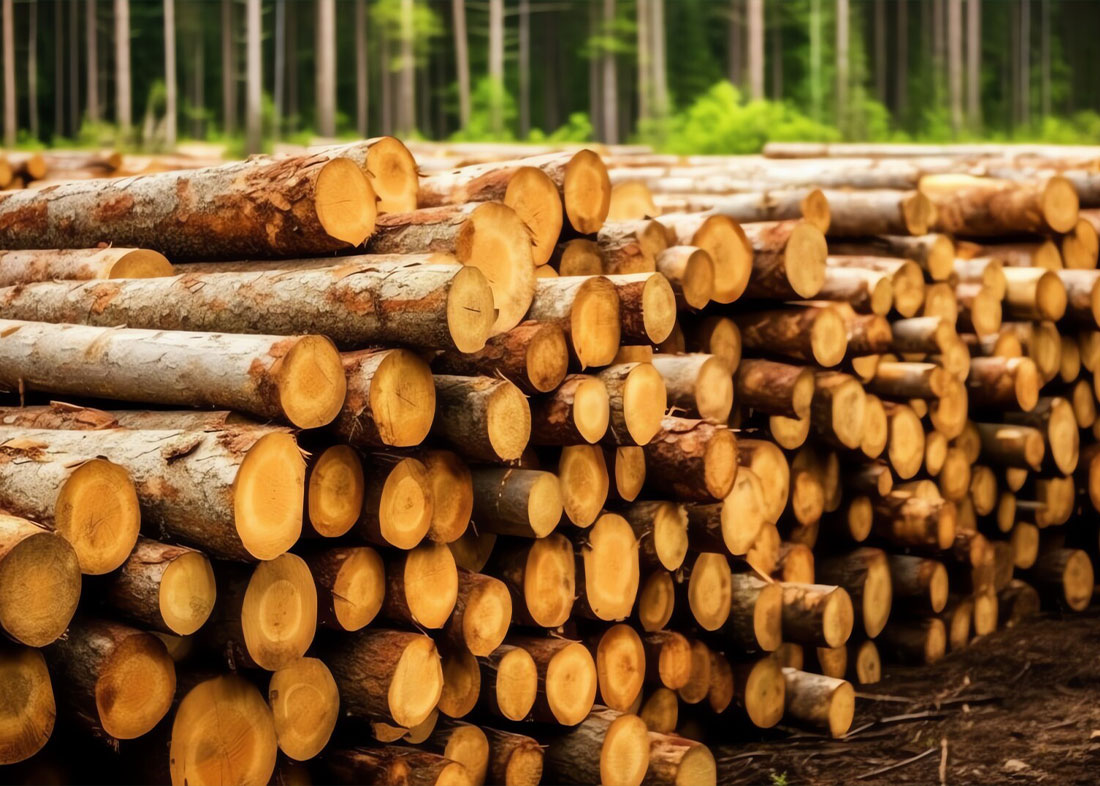
Activated carbon can be made from a wide variety of materials including wood, bamboo, rice hulls, sawdust, coconut shells, as well as coal sources.
Long lifespan
Activated carbon’s lifespan depends on the intended application and the size of the contactor but can typically last months to years before needing replacement. Spent activated carbon can be recycled through reactivation, extending its useful life.

Vast potential for decontamination
Incredibly high surface area
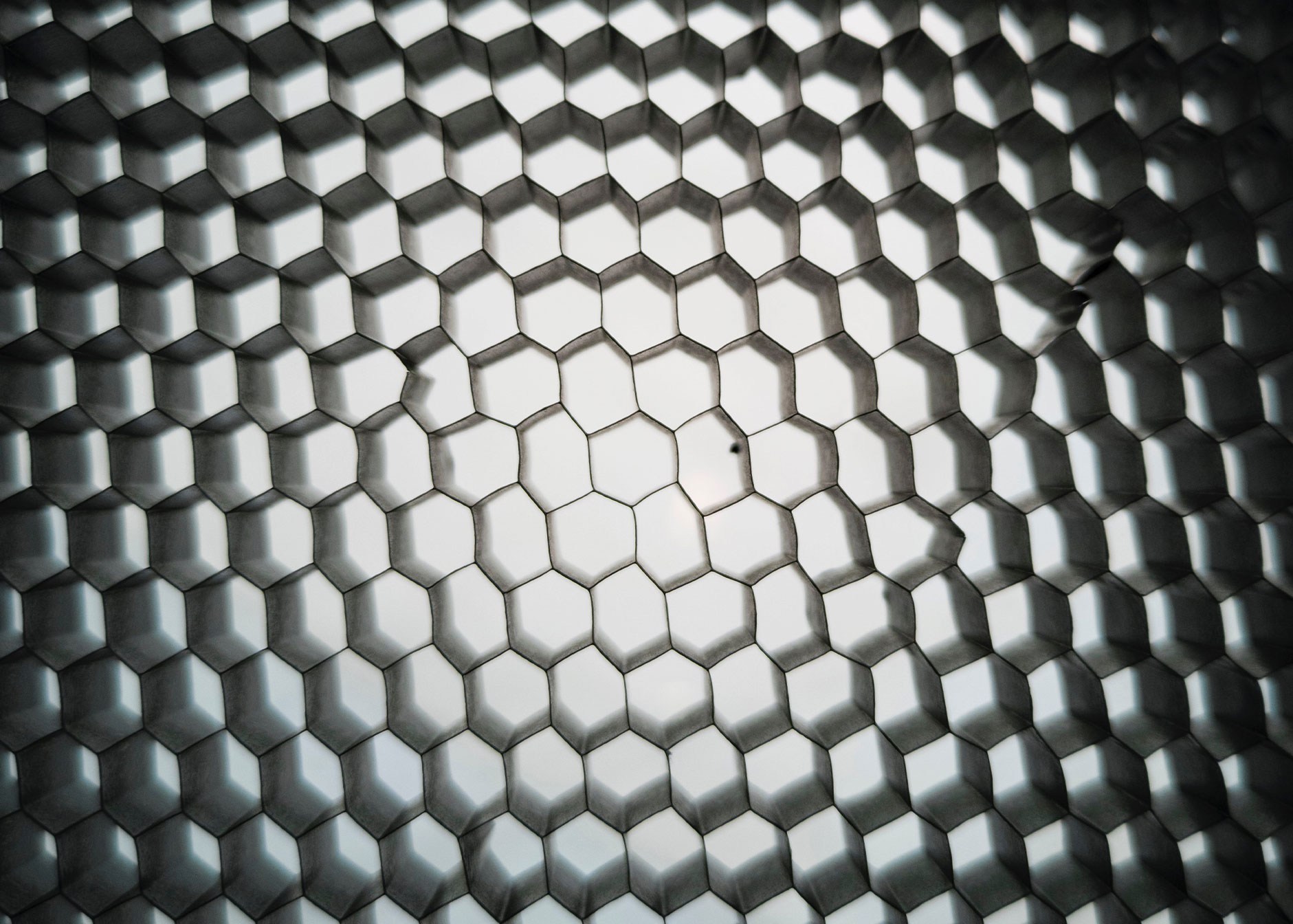
Activated carbon has an extensive network of microscopic pores to trap contaminants. The surface area varies depending on the raw material used, from about 500 m2/g to 1500 m2/g. This means that about 5 grams of activated carbon can contain the same surface area as an American football field! This is only one of the reasons the U.S. Environmental Protection Agency (EPA) reveres activated carbon as the best available technology for drinking water treatment.